Health Blog
The Right Time to Start Physical Therapy After Surgery
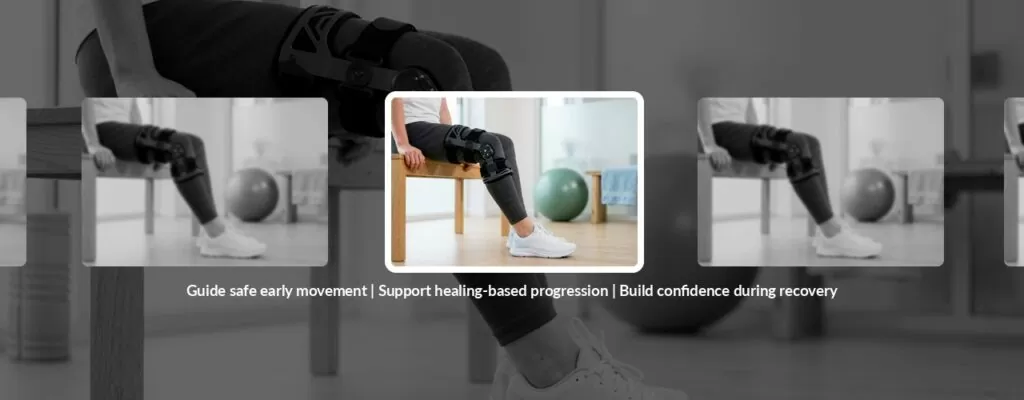
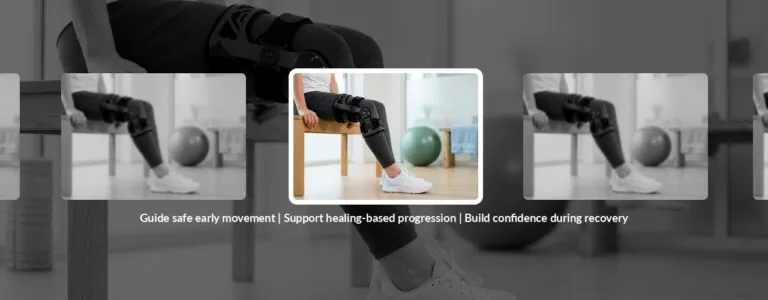
Timing matters after surgery. Starting rehabilitation at the right stage can protect healing tissues while helping you regain safe movement. If you are wondering when to start physical therapy after surgery, the answer depends on your procedure, healing, and your surgeon’s guidance.
Knowing when to start physical therapy after surgery can shape how smoothly recovery moves forward. helps you find the right starting point. Book your evaluation today.
Common Questions About Starting Physical Therapy After Surgery
1.
Read full blog about The Right Time to Start Physical Therapy After SurgeryJoint Mobilization vs. Manipulation: What Is the Difference?

Joint mobilization and manipulation are hands-on techniques used to improve how a joint moves. They may sound similar, but they are performed in different ways. Understanding the joint mobilization vs manipulation difference can help you know what to expect from manual therapy and ask informed questions about your care.
Understanding Joint Mobilization
Joint mobilization uses gentle, controlled movements applied to a joint by a physical therapist. The therapist may move the joint back and forth within a comfortable range.
Read full blog about Joint Mobilization vs. Manipulation: What Is the Difference?Fall Prevention Strategies: Safeguarding Against Balance-Related Injuries

A loss of balance can make everyday activities feel less secure. The right fall prevention strategies can help you move with more control, protect your independence, and feel more confident during your daily routine.
Why Balance-Related Injuries Deserve More Than General Safety Advice
Falls are rarely caused by one issue alone. Leg weakness, joint stiffness, slower reactions, changes in walking, and reduced balance awareness can all play a role.
This list is for adults who want practical steps they can use in daily life.
Read full blog about Fall Prevention Strategies: Safeguarding Against Balance-Related InjuriesHow Physical Therapy Helps with Arthritis Pain Relief

If you’ve recently received an arthritis diagnosis, you may be worried that the pain, stiffness, and general discomfort might keep you from doing what you love. But not so fast! Arthritis symptoms can be managed, and physical therapy is a powerful tool for arthritis pain relief. It offers a drug-free way to reduce discomfort, improve mobility, and support long-term joint health.
At , we often help patients manage their arthritis pain.
Read full blog about How Physical Therapy Helps with Arthritis Pain ReliefHow Physical Therapy Can Help TMJ Pain and Jaw Dysfunction

If you’re struggling with jaw pain, clicking sounds when you chew, or facial stiffness, you might be dealing with an issue in your temporomandibular joint (TMJ). Fortunately, TMJ physical therapy offers a highly effective, non-invasive way to address these symptoms and help you feel better.
At , we understand how much jaw discomfort can affect your daily life. That’s why we’ll work closely with you to develop a personalized treatment program to help you find relief.
Read full blog about How Physical Therapy Can Help TMJ Pain and Jaw DysfunctionHow Physical Therapy Helps with Shoulder Surgery Recovery
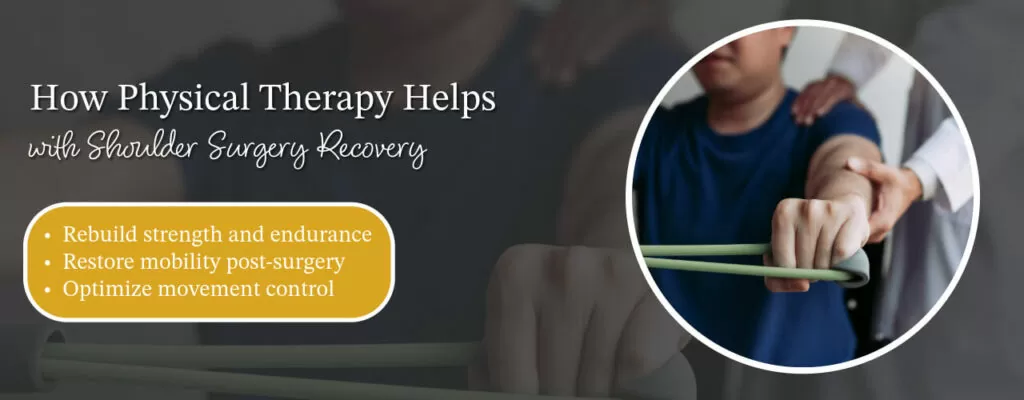
Shoulder surgery can be a life-changing solution for people struggling with pain and limited movement. However, many don’t realize that real progress often happens after the procedure. Physical therapy is key in shoulder surgery recovery, helping patients restore strength, mobility, and confidence.
At , we’ve seen firsthand how the right rehab plan can make all the difference. Today, we want to share the story of Steven (not his real name), a 52-year-old mechanic who regained full use of his shoulder after a rotator cuff repair thanks to a personalized physical therapy program.
Read full blog about How Physical Therapy Helps with Shoulder Surgery RecoveryDizziness and Imbalance: What You Need to Know

Feeling lightheaded, off-balance, or like the room is spinning? We know how challenging it can be. Dizziness and imbalance interfere with daily life and can increase the risk of falls. But while these symptoms can be unsettling, physical therapy offers effective ways to manage them.
At Care360 Physical Therapy, we regularly help patients decrease their fall risk–which often includes addressing dizziness. Today, we want to explore the link between dizziness and imbalance in more detail by answering some of the most common questions we encounter at our Miami, FL clinic.
Read full blog about Dizziness and Imbalance: What You Need to KnowLiving with Arthritis: How Physical Therapy Can Improve Daily Life

Arthritis often makes routine tasks—like dressing, climbing stairs, or holding a coffee cup—challenging. It affects the joints, causing pain and stiffness, and can impact your independence over time. However, living with arthritis doesn’t mean giving up on your lifestyle. With the support of physical therapy for arthritis, you can learn to move smarter, reduce pain, and stay active in ways that protect your joints and enhance daily function.
At Care360 Physical Therapy, our physical therapists help patients manage arthritis through targeted movement strategies and personalized care.
Read full blog about Living with Arthritis: How Physical Therapy Can Improve Daily LifeHow Physical Therapy Helps with Dizziness and Vertigo

Feeling like the room is spinning or struggling to stay balanced can be overwhelming and scary. People with dizziness and vertigo often feel stuck, unsure of what’s causing their symptoms or how to get better. The good news? Physical therapy can often help!
It’s important to recognize that dizziness and vertigo aren’t the same. Dizziness is a general sense of unsteadiness, while vertigo refers specifically to a spinning sensation that can throw you off balance.
Read full blog about How Physical Therapy Helps with Dizziness and VertigoJoint Replacement Surgery Rehab with Physical Therapy
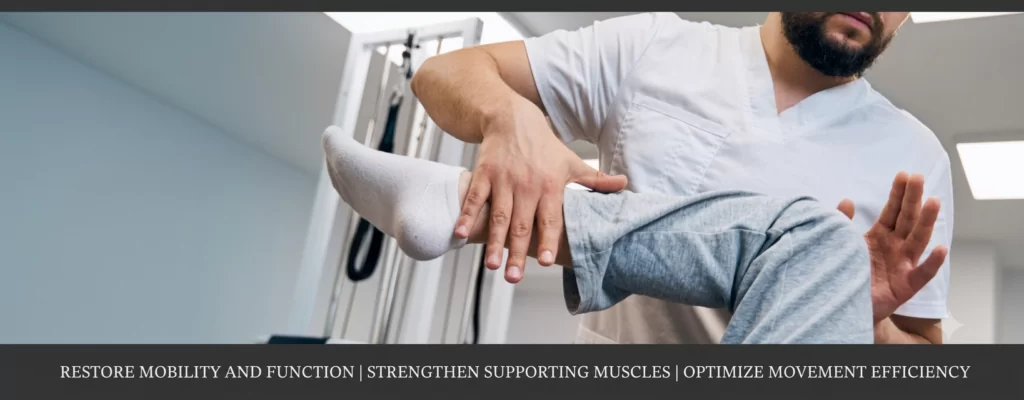
Joint replacement surgery can help restore mobility and ease pain caused by arthritis, injuries, or age-related wear and tear. But surgery is only the beginning of the recovery process. The real progress begins afterward with joint replacement rehab. Physical therapy provides the structure, movement strategies, and support needed to help patients regain strength and return to daily activities safely.
At , our physical therapists develop individualized rehab plans that help patients recover at a safe, steady pace.
Read full blog about Joint Replacement Surgery Rehab with Physical Therapy