
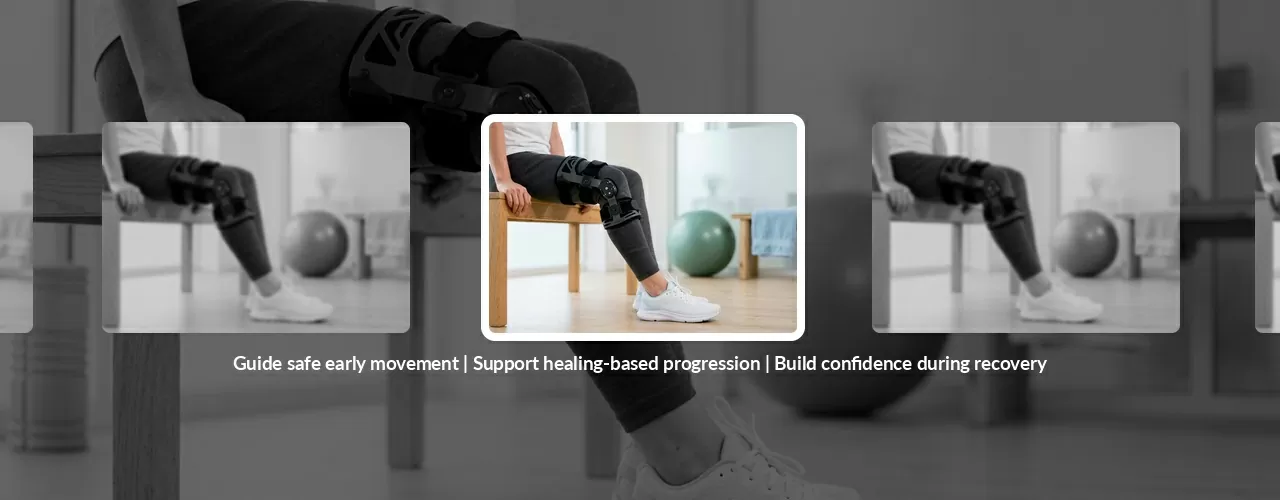
Timing matters after surgery. Starting rehabilitation at the right stage can protect healing tissues while helping you regain safe movement. If you are wondering when to start physical therapy after surgery, the answer depends on your procedure, healing, and your surgeon’s guidance.
Knowing when to start physical therapy after surgery can shape how smoothly recovery moves forward. Care360 Physical Therapy helps you find the right starting point. Book your evaluation today.
Common Questions About Starting Physical Therapy After Surgery
1. When is the right time to start physical therapy after surgery?
There is no single starting point that is right for every patient. Deciding when to start physical therapy after surgery depends on tissue healing, the type of procedure, medical guidance, and what your body can safely do.
Some rehabilitation plans begin with gentle movement and basic daily tasks. Others require more protection before certain activities are introduced.
Your physical therapist works within your post-surgical precautions. Treatment then progresses as your body becomes ready for more activity.
2. What happens if physical therapy starts too early or too late?
Starting certain activities before tissues are ready may place too much stress on the healing area. Waiting too long to restore appropriate movement may contribute to stiffness, weakness, or difficulty returning to daily activities.
The goal is not to start as fast as possible. The goal is to begin the right activities at the right stage.
3. What does an initial clinical evaluation look for at Care360 Physical Therapy?
Your first evaluation helps establish a safe starting point. Your physical therapist considers your procedure, precautions, symptoms, and current abilities.
The assessment may include:
Tissue Healing
- Your therapist considers how the surgical area is healing and follows any medical restrictions.
Basic Mobility
- The therapist looks at how comfortably and safely you can move the involved area.
Muscle Activation
- Surgery can make it harder to use certain muscles normally.
Daily Function
- Your therapist may assess activities such as walking, standing, reaching, or changing positions.
These findings help determine when to start physical therapy after surgery and which activities are appropriate first.
4. What will my early physical therapy sessions look like after surgery?
Early treatment focuses on safe movement and function. Your therapist chooses activities that fit your procedure and current healing stage.
Care may address mobility, muscle activation, walking, balance, or basic strength. Your therapist may also use hands-on techniques when they are safe and appropriate.
Each activity should have a purpose. The goal is to build the abilities you need for daily life without placing unnecessary stress on healing tissues.
5. What should I do at home between early physical therapy sessions after surgery?
Follow the movement and positioning guidance provided by your medical and rehabilitation teams. Your home plan should support healing rather than test your limits.
You may be encouraged to change positions, practice safe movement, or complete exercises chosen for your recovery stage. Avoid adding harder exercises on your own just because you feel better.
6. How do I know if my body is ready to progress in physical therapy after surgery?
Progress is based on how your body responds, not simply how much time has passed. Your therapist looks for signs that you can safely handle a greater challenge.
You may show better movement control, easier daily mobility, or improved muscle use. Your symptoms should also remain manageable as activity increases.
These changes help your therapist decide when to adjust your rehabilitation plan.
7. Is it safe to push through discomfort during early physical therapy after surgery?
Some discomfort can occur as you begin moving after surgery. Sharp, worsening, or unusual pain should not simply be pushed through.
Tell your physical therapist what you feel during treatment. Your therapist can change an exercise, reduce the challenge, or pause an activity when needed.
New or concerning symptoms may also require contact with your surgeon or another medical provider.
8. What are the signs that physical therapy after surgery is working?
Useful progress often appears in everyday activities. Movement may become easier, and you may feel more confident using the recovering area.
Other positive signs can include:
- Better control during movement
- Less difficulty with basic daily tasks
- Improved mobility
- Gradual gains in strength
- Greater confidence with walking or other activities
- Better tolerance for rehabilitation exercises
Recovery is not always a straight line. Your physical therapist can adjust your plan as your abilities and needs change.
Getting the Personalized Answers You Need
Your recovery deserves a plan based on your surgery, healing, and goals. At Care360 Physical Therapy, your physical therapist can assess your current abilities and build a plan that respects your medical precautions while helping you return to meaningful activities.
The right start can make post-surgical rehabilitation feel more manageable. Reach out to Care360 Physical Therapy to arrange your assessment and learn when to start physical therapy after surgery so you can take the next appropriate step in your recovery.