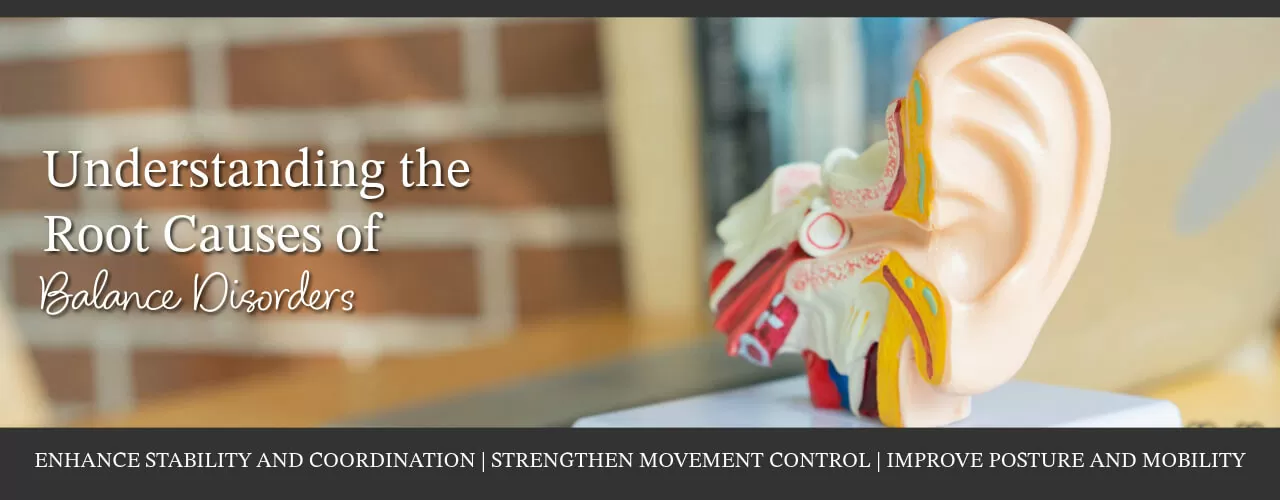
Staying upright may feel automatic, but it actually depends on constant coordination between your brain, inner ear, eyes, muscles, and joints. When any part of this system isn’t working properly, the result can be dizziness, instability, or frequent falls. These issues—collectively called balance disorders—are more common than many people realize, especially in older adults or anyone recovering from injury or illness.
At Care360 Physical Therapy, our physical therapists identify and treat the root causes of balance disorders. We focus on function, not just symptoms, so you can regain control and move with more confidence.
What Balance Disorders Feel Like (And Why They Matter)
Balance disorders involve a range of symptoms that make daily tasks more difficult. These may be short-term or ongoing, and they often affect activities like walking, standing, or getting up from a chair.
Common Symptoms Of Balance Disorders
- Trouble staying upright or maintaining orientation
- Feeling faint, lightheaded, or off balance
- A sensation that the room is spinning (vertigo)
- Unsteadiness in low light or unfamiliar environments
- Difficulty focusing visually while moving
- Anxiety about falling or moving too quickly
What’s Knocking You Off Balance?
Balance issues can come from many directions. Identifying the source is key to building a treatment plan that works.
1. Problems with the Inner Ear (Vestibular System)
The vestibular system tells your brain where your head is in space. If this system is disrupted, your sense of balance suffers.
Examples include:
- Benign paroxysmal positional vertigo (BPPV)
- Vestibular neuritis or labyrinthitis
- Ménière’s disease
Physical therapy often includes repositioning maneuvers and balance retraining to recalibrate the system.
2. Changes in Brain Function (Neurological Conditions)
Your brain processes signals from the rest of your body to maintain balance. When this processing is disrupted, balance becomes more difficult.
Examples include:
- Stroke
- Parkinson’s disease
- Multiple sclerosis
- Brain injuries
Therapy focuses on strengthening, coordination, and sensory integration to support better movement patterns.
3. Muscle Weakness or Joint Stiffness (Musculoskeletal Limitations)
Even if your brain and inner ear are functioning well, weak or stiff muscles and joints can throw off your center of gravity.
Examples include:
- Instability in the ankles
- Weakness in the hips or core
- Limited movement in the spine
Strength and mobility work is often a key part of improving balance.
4. Vision Challenges
Your eyes help orient your body in space. Vision changes, even subtle ones, can affect balance.
Examples include:
- Cataracts
- Poor depth perception
- Difficulty tracking movement
Therapists may include vision-based strategies in your treatment if visual input is a contributing factor.
5. Normal Aging
As we get older, strength, reflexes, and joint mobility often decrease. But that doesn’t mean balance loss is inevitable. Physical therapy can help maintain or even improve balance as you age.
How Physical Therapy Helps You Steady Your Stride
Your care plan depends on your specific challenges. At Care360 Physical Therapy, physical therapy may include:
- Exercises to retrain your inner ear’s response to motion
- Strength training for legs, hips, and core muscles
- Proprioception exercises (to improve body awareness)
- Gait training to improve walking stability
- Strategies for safer posture and reaction time
- Practical tips for preventing falls at home
Therapy addresses not just the physical mechanics but also the confidence you need to stay active.
Don’t Wait: Early Help for Balance Issues Matters
The sooner balance issues are addressed, the better your outcome. Early physical therapy:
- Reduces your risk of falling
- Improves quality of life and independence
- Helps you stay mobile and active
- Eases fear around movement
- Supports recovery after surgery or injury
Balance problems don’t fix themselves—but with expert care, they can improve.
Get Back in Balance—Safely and Effectively
Balance problems are frustrating, but they’re treatable. Whether the issue starts in the ears, muscles, or nerves, physical therapy helps you move better, feel steadier, and stay safer.
Contact Care360 Physical Therapy today to book your personalized balance assessment. We’ll help you uncover the cause and create a plan that works for your life, your goals, and your mobility.