If you are recovering from injury, surgery, or chronic pain, manual therapy can be a powerful part of your rehabilitation plan. Yet many people are unsure about what manual therapy really involves or how it helps. The truth is that the manual therapy benefits extend far beyond short-term pain relief—they play a critical role in restoring mobility, reducing inflammation, and improving overall function. At Care360 Physical Therapy, manual therapy is used thoughtfully and strategically to support your recovery based on evidence-based practices.
Unfortunately, several myths persist about manual therapy and its role in physical therapy. Let’s separate fact from fiction so you can make informed decisions about your care.
Five Manual Therapy Myths You Should Know
Myth #1: “Manual Therapy Is Just a Fancy Word for Massage.”
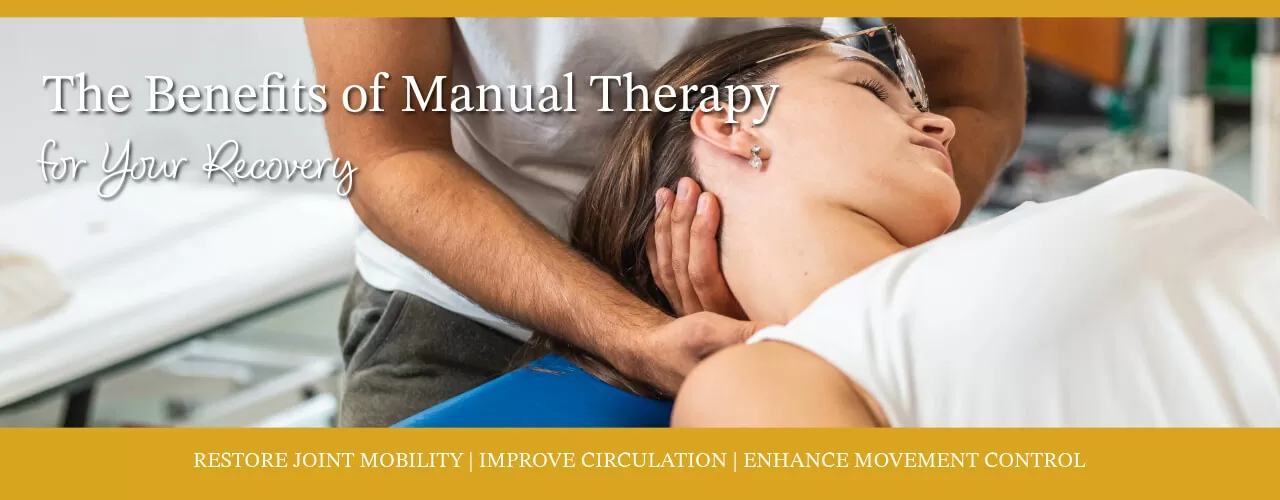
While manual therapy and massage may seem similar at first glance, they are distinctly different. Manual therapy in physical therapy involves a variety of hands-on techniques like joint mobilizations, myofascial release, soft tissue mobilization, and manual stretching. These techniques are applied with a clear therapeutic goal: to restore normal movement, reduce stiffness, decrease pain, and promote tissue healing.
Massage typically focuses on general relaxation, while manual therapy benefits target specific functional impairments tied directly to your recovery needs.
Myth #2: “Manual Therapy Is Painful and Should Be Avoided After Surgery.”
A common misconception is that manual therapy after surgery will be too painful or risky. In reality, when performed by licensed physical therapists, manual therapy is tailored to each patient’s healing stage. Early interventions focus on gentle techniques to manage scar tissue, reduce swelling, and improve circulation without placing undue stress on healing tissues.
Pain is not the goal. In fact, manual therapy often helps ease post-operative discomfort by addressing soft tissue tightness and restoring joint mobility safely and progressively.
Myth #3: “You Don’t Need Manual Therapy If You’re Doing Exercises.”
Exercise is crucial for recovery, but it cannot always address all barriers to healing on its own. When joints are stiff, tissues are restricted, or alignment is impaired, movement alone might not be enough to correct the problem.
Manual therapy complements therapeutic exercise by preparing tissues to move more effectively. When the joint or muscle moves better, exercises become more effective, safer, and more comfortable, enhancing long-term outcomes. Combining exercise with manual therapy ensures a comprehensive rehabilitation approach that delivers the full spectrum of manual therapy benefits.
Myth #4: “Manual Therapy Only Helps Back and Neck Pain.”
While manual therapy is highly effective for spinal issues, it also benefits a wide range of other conditions, including:
- Post-surgical joint recovery (knees, hips, shoulders)
- Soft tissue injuries like sprains, strains, or tendonitis
- Arthritic joint stiffness and mobility restrictions
- Headaches linked to neck or jaw dysfunction
- Balance issues related to postural control
Manual therapy is versatile and adaptable. Whether you’re dealing with orthopedic, neurological, or even postural concerns, manual therapy plays a critical role in helping the body move better and feel better.
Myth #5: “Manual Therapy Is a Temporary Fix.”
Some people believe manual therapy only provides short-term relief. While it can produce immediate improvements in pain and mobility, its deeper value lies in its ability to promote long-term change. By addressing joint restrictions, soft tissue adhesions, and biomechanical imbalances early, manual therapy lays the foundation for lasting improvements in movement, strength, and function.
In combination with a full physical therapy plan—including strengthening exercises, movement retraining, and patient education—manual therapy contributes to long-term recovery and reduced risk of future injury.
Why Manual Therapy Benefits Your Full Recovery Plan
At Care360 Physical Therapy, manual therapy is never used in isolation. It is integrated into a broader, individualized recovery strategy that may also include exercise, neuromuscular retraining, postural education, and activity-specific rehabilitation.
The manual therapy benefits you can expect when it’s applied correctly include:
- Reduced pain and muscle tension
- Improved joint mobility and flexibility
- Enhanced circulation and tissue healing
- Faster return to daily activities and sports
- Greater movement efficiency and confidence
Our physical therapists use manual therapy based on current research and clinical reasoning, ensuring every session moves you closer to your recovery goals.
Get the Support You Deserve for a Stronger Recovery
Manual therapy is a powerful tool, but it works best when paired with a personalized, comprehensive rehabilitation plan. At Care360 Physical Therapy, we combine hands-on care with progressive exercises and patient education to help you move forward with strength, resilience, and confidence.
If you are ready to experience the real manual therapy benefits and start your path toward better movement and lasting recovery, contact Care360 Physical Therapy today to schedule your first appointment. Your health, your goals, and your progress are always our top priorities!