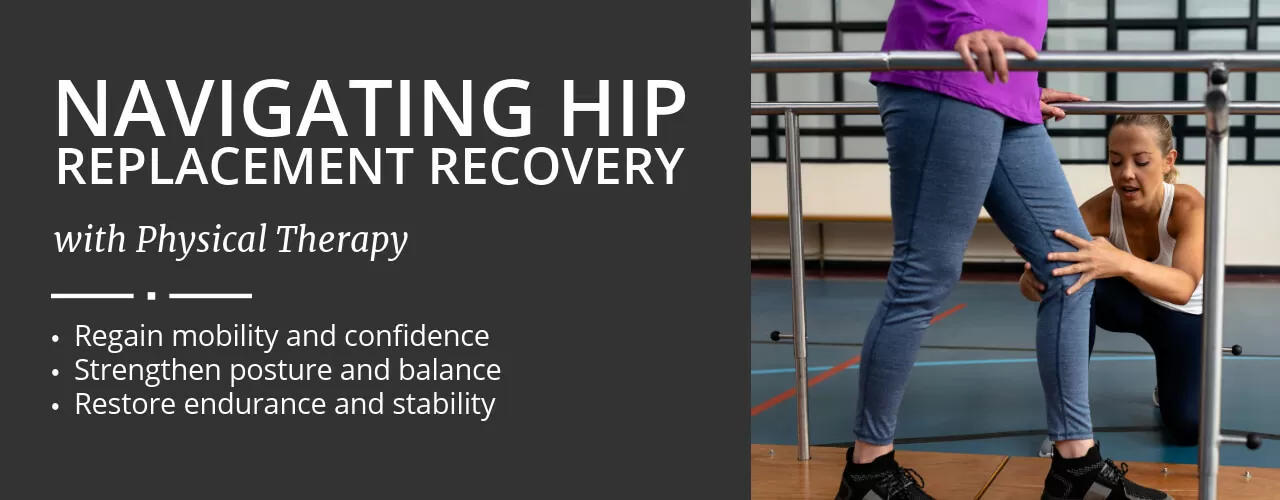
When Diane (not her real name) came to Care360 Physical Therapy, she had just completed a successful total hip replacement. While the surgery had addressed her long-standing joint damage, she quickly realized that her recovery was just beginning. She was dealing with muscle weakness, walking difficulties, and fear of putting weight on her new joint. Like many people going through hip replacement recovery, Diane needed expert guidance to restore her mobility, rebuild strength, and return to her everyday activities with confidence.
With the help of the physical therapy team at Care360 Physical Therapy, Diane made consistent progress and regained the independence she’d been missing for years. Her story highlights how a personalized and evidence-informed approach to hip replacement rehabilitation can lead to lasting results.
Diane’s Condition Before Surgery
Before her hip replacement, Diane had lived with chronic osteoarthritis in her left hip for several years. She described the pain as a deep, persistent ache that worsened with movement and disrupted her sleep. Walking short distances, climbing stairs, and even standing up from a chair had become difficult. Eventually, Diane began avoiding activities she loved—gardening, social outings, and taking walks in her neighborhood.
By the time she scheduled her surgery, she was relying on a cane and taking frequent breaks throughout the day due to fatigue and joint pain. Although she was nervous about the procedure, Diane was eager to return to a more active, pain-free lifestyle.
Physical Therapy’s Role in Successful Hip Replacement Recovery
From her very first post-operative visit, the team at Care360 Physical Therapy built a hip replacement recovery plan that focused on Diane’s individual goals and healing timeline. Rather than a generic protocol, her treatment plan was tailored to her progress, pain levels, and functional needs.
Here’s how physical therapy guided Diane’s recovery every step of the way:
1. Early Mobilization and Pain Management
In the first few sessions, Diane’s therapist helped her safely begin weight-bearing activities, such as assisted walking and bed-to-chair transfers. Gentle movement was introduced early to minimize stiffness and support circulation around the healing joint.
Hands-on techniques and ice therapy were also used to manage swelling and discomfort, allowing Diane to move more comfortably during her sessions and at home.
2. Restoring Range of Motion
Diane’s hip had become stiff before surgery, and the protective guarding after surgery had only made it worse. Her physical therapist guided her through controlled movements to gently stretch the surrounding tissues, with close monitoring to prevent strain on the surgical site.
These stretches focused on helping her regain motion in hip flexion, extension, and rotation—essential for walking, dressing, and getting in and out of a car.
3. Strength Training and Muscle Reeducation
Once her incision had healed and she was more confident bearing weight, Diane began a strengthening program to rebuild her hip, gluteal, and core muscles. These exercises targeted postural stability and muscle imbalances that had developed due to years of altered movement.
Progressive resistance was added carefully as Diane’s strength improved. Each movement was selected to support daily function and prevent compensation that might place strain on other joints.
4. Gait Training and Balance Work
One of Diane’s biggest concerns was her walking pattern. She had developed a noticeable limp prior to surgery and was still using a walker during her early therapy sessions. Her therapist provided visual feedback, verbal cues, and hands-on support to help her retrain her gait.
Balance exercises were added as her confidence grew, helping her transition safely from the walker to a cane, and eventually to walking independently again.
Steady Progress and Long-Term Gains
Diane’s hip replacement recovery wasn’t always easy, but her dedication and the consistent support of the team at Care360 Physical Therapy made a real difference. After several weeks of therapy, she was able to:
- Walk independently without assistive devices
- Climb stairs with minimal discomfort
- Return to her regular activities, including gardening and shopping
- Sleep through the night without hip pain
- Move with improved posture and symmetry
Her success was a result of early intervention, personalized care, and staying consistent with both in-clinic sessions and her home program.
A Message for Others on the Road to Recovery
Diane’s experience is a reminder that hip replacement recovery is not just about healing—it’s about rebuilding. Without physical therapy, she may have struggled with long-term stiffness, weakness, or movement limitations. Instead, she gained strength, freedom, and the confidence to return to the activities she once avoided.
If you or a loved one is preparing for or recovering from hip replacement surgery, the right physical therapy team can make all the difference.
Contact Care360 Physical Therapy today to learn how we can support your recovery with evidence-based, compassionate care. Like Diane, you can get back to the life you love—stronger, steadier, and more confident.