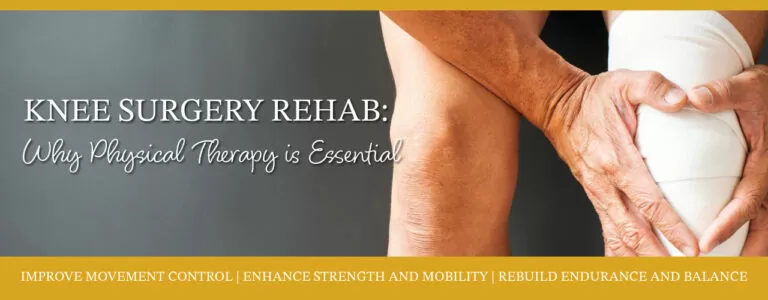
Are you looking to speed up your recovery after surgery? Nearly 40 to 50 million surgical procedures are performed annually in the United States. And while surgical interventions can be life-changing, the road to recovery can sometimes be challenging. With the right approach, you can achieve faster recovery after surgery. Physical therapy can significantly enhance post-operative rehabilitation outcomes, leading to quicker recovery times and improved functional outcomes.
Ready to get started with physical therapy for post-operative rehabilitation? Call our team at Care360 Physical Therapy in Miami, FL today to learn more!
Understanding Post-Operative Rehabilitation: Unveiling Causes and Symptoms
Post-operative rehabilitation is restoring strength, mobility, and function following a surgical procedure. Post-operative pain is common after surgery and can arise from various factors.
Common Causes Of Post-Operative Pain
Tissue Trauma
- During surgery, tissues and structures in the body are cut and repaired, leading to tissue trauma. This trauma can result in inflammation, swelling, and nerve irritation, contributing to post-operative pain.
Surgical Incision
- The surgical incision site itself can be a significant source of pain following surgery. Incisions disrupt the skin and underlying tissues, causing discomfort and soreness. The severity of pain at the incision site can vary depending on factors such as the size and location of the incision and the type of surgical procedure performed.
Nerve Irritation or Damage
- Surgical procedures may inadvertently affect nearby nerves, leading to irritation, compression, or damage. Nerve-related pain, including shooting, burning sensations, numbness, or tingling, can persist post-operatively and require specialized management approaches.
Post-Surgical Complications
- Certain post-operative complications, such as infection, hematoma (collection of blood), seroma (collection of fluid), or adhesions (abnormal tissue connections), can contribute to pain and discomfort. Identifying and addressing these complications promptly is essential for preventing further complications and promoting optimal recovery.
Pre-Existing Conditions
- Individuals with pre-existing medical conditions, such as chronic pain syndromes, arthritis, or nerve disorders, may experience heightened sensitivity to pain following surgery. Managing these underlying conditions is crucial for minimizing post-operative pain and improving overall outcomes.
Empowering Post-Operative Recovery: Physical Therapy Treatment Methods
Physical therapy is pivotal in post-operative rehabilitation, aiming to help with a faster recovery after surgery, restore function, and alleviate pain.
Post-Operative Rehabilitation Treatment Methods
Manual Therapy
- Manual therapy techniques, including joint mobilization, soft tissue manipulation, and massage, help improve joint mobility, reduce muscle tension, and alleviate pain. These hands-on techniques help restore normal tissue function, enhance circulation, and promote healing.
Therapeutic Exercises
- Tailored therapeutic exercise programs help strengthen muscles, improve flexibility, and enhance proprioception and balance. These exercises target specific muscle groups and movement patterns affected by surgery, gradually restoring function and mobility.
Modalities
- Physical therapists may utilize various modalities, such as heat therapy, cold therapy, ultrasound, electrical stimulation (e.g., TENS, NMES), and laser therapy, to manage pain, reduce inflammation, and promote tissue healing. These modalities can complement other treatment approaches and facilitate recovery.
Functional Training
- Functional training focuses on simulating activities of daily living and sports-specific movements to improve functional capacity and performance. Patients learn proper body mechanics and movement patterns through functional exercises and movement retraining, facilitating a safe return to normal activities.
Education and Counseling
Patient education plays a crucial role in post-operative rehabilitation. Physical therapists educate patients on post-operative precautions, activity modifications, home exercises, and self-management strategies.
By combining these treatment methods and personalized interventions, physical therapists can address the unique needs of each patient undergoing post-operative rehabilitation, promoting faster recovery, enhanced function, and improved quality of life.
Unlocking Your Path to Speedy Recovery
Ready to embark on your journey to faster recovery after surgery? Contact our team at Care360 Physical Therapy in Miami, FL today to learn more about how physical therapy can support you in achieving your rehabilitation goals. Your path to a speedy recovery awaits!