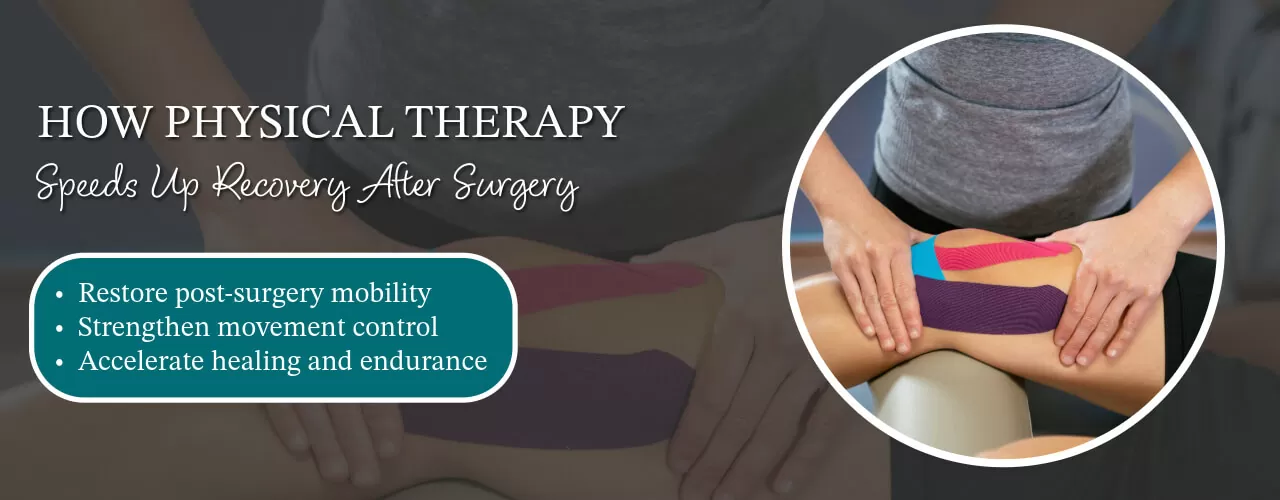
Jessica (not her real name) had always been active—until knee surgery slowed her down. Like many people, she expected rest alone would be enough to help her heal. But when the stiffness set in and everyday tasks became frustrating, she realized she needed more support. That’s when she turned to physical therapy after surgery at Care360 Physical Therapy.
Physical therapy plays a key role in helping patients recover mobility, reduce pain, and return to daily life after an operation. Without it, scar tissue, muscle weakness, and improper movement patterns can delay or even prevent full recovery. Jessica’s story is a powerful example of how targeted care makes a measurable difference.
Jessica’s Initial Challenges: Stiffness, Swelling, and Setbacks
After her knee surgery, Jessica was discharged with basic instructions to rest and take it easy. She followed the advice, but after a few weeks, her joint felt stiff, and her leg remained swollen. Walking up stairs became difficult, and even getting out of a chair took more effort than it should. She began avoiding activities she once enjoyed—walking her dog, gardening, and even short errands.
Jessica’s frustration grew. She worried she might never regain her full range of motion or independence. That’s when her surgeon referred her to Care360 Physical Therapy for physical therapy after surgery.
Progress Starts with a Personalized Treatment Plan
From day one at Care360 Physical Therapy, Jessica’s physical therapist assessed her movement, strength, joint mobility, and functional limitations. Her plan included:
- Manual therapy techniques to gently reduce swelling and improve tissue mobility
- Progressive mobility work to gradually restore her range of motion
- Targeted strengthening exercises to rebuild the muscles around her knee
- Gait training and functional movements to improve how she walks and moves in daily life
- Education on joint protection, safe movement strategies, and what to expect during recovery
The sessions were challenging at times, but Jessica appreciated how every activity was tailored to her ability. Her therapist adjusted the plan weekly based on her progress, ensuring steady and safe improvements.
Results That Speak for Themselves
After several weeks of physical therapy after surgery, Jessica:
- Improved her knee flexion and extension range
- Walked without assistance or limping
- Climbed stairs without hesitation
- Returned to her regular walks and even joined a gentle yoga class
Most importantly, she no longer feared movement. Her therapist not only treated her symptoms but also gave her the tools to stay active and independent.
Common Misconceptions About Physical Therapy After Surgery
There are several misunderstandings that delay people from starting physical therapy after surgery:
Myth: Rest is enough to heal
Fact: Prolonged inactivity can cause muscle loss and joint stiffness. Early movement under guidance promotes faster healing.
Myth: Pain means something is wrong
Fact: Some discomfort is normal and necessary for progress. Therapists help distinguish productive soreness from harmful pain.
Myth: You can “wait it out” and start therapy later
Fact: Waiting too long can result in scar tissue build-up and joint limitations that are harder to reverse later.
Jessica had believed some of these myths herself—until she began to see how strategic movement created real progress. Within the first few weeks, she noticed her swelling had gone down, her knee bent more easily, and she could move with greater confidence.
Reclaim Your Strength with the Right Support
Jessica’s story is one of many. At Care360 Physical Therapy, we see patients every day who feel stuck after surgery, but with the right plan and consistent guidance, they experience major gains in mobility, strength, and confidence.
Physical therapy after surgery isn’t just about exercises—it’s about personalized recovery, problem-solving, and building momentum when it matters most.
If you or a loved one is preparing for surgery or struggling to regain movement after one, contact Care360 Physical Therapy. Our physical therapists are here to guide your recovery, support your goals, and help you get back to living the way you want.